Things to Do Before You Turn on Your Furnace
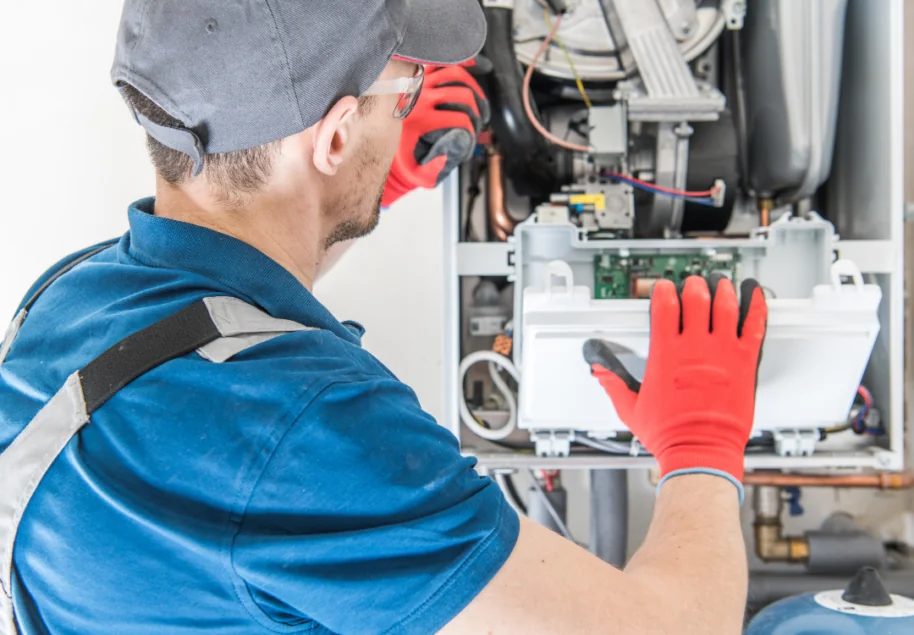
Things to Do Before You Turn on Your Furnace
As outdoor temperatures begin to drop and you prepare to switch from air conditioning to heating, it’s smart to give your system a head start. Before you flip the switch and turn on your furnace, taking a few precautionary steps can help your home stay comfortable, safe, and efficient all winter long.
Schedule Furnace Maintenance
Even if your system has been quiet and trouble-free, waiting until temperatures truly plummet can leave you vulnerable to breakdowns at the worst time. A professional inspection and tune-up from Michael Bonsby ensures your furnace is clean, properly lubricated, all safety systems are checked, and any worn parts are caught before they become serious.
Remove Blockages From Vents & Registers
Once your system is ready, don’t overlook the simple but critical step of checking your supply and return vents throughout the home. Blocked or obstructed vents reduce airflow, forcing your furnace to work harder and cycle more often, driving up energy bills and increasing wear on your equipment.
Here’s what to check:
- Supply vents: Make sure furniture, rugs, draperies, or toys are not covering or blocking vents. Even narrow sidewalks can degrade performance.
- Return vents: These are equally important. If returns are blocked, your system cannot pull enough air, which may cause overheating or pressure imbalance.
- Air filters: A dirty filter upstream of the vents compounds the problem, reducing total airflow and making vents feel weaker.
- Duct clearance: If you have exposed ducts in closets or crawl spaces, ensure there’s no debris, boxes, or storage items blocking or squeezing them.
Set Your Thermostat to “Heat”, Don’t Rely on Auto Switches
It may seem obvious, but one of the most common mistakes is assuming the system will switch over from cooling to heating. Many thermostats remain in “auto” or “cool” mode and never trigger the furnace when you expect it.
Here are some thermostat pointers:
- Switch the mode to heat so the furnace is triggered when room temperature falls below the set point.
- If your thermostat has programmable or smart scheduling, adjust for colder weather.
- For furnace heating, “auto” is generally preferred to avoid constant circulation and higher energy use unless you’re addressing special air-quality issues.
- If you have a smart thermostat, ensure it’s connected to WiFi or the hub and configured properly.
- By proactively switching and verifying your thermostat mode now, you avoid arriving home to a cold house when the temperature drops.
Replace Your Furnace Filter for Better Efficiency
A clean filter may seem like a small step, but it’s one of the most impactful actions you can take to keep your heating system efficient and long-lasting. Filters catch dust, debris, and allergens, but as they clog, they restrict airflow, making your furnace work harder and run longer.
What to know:
- Filter size and type
- Installation orientation
- Replacement frequency
- Schedule it with maintenance
Check Your Smoke & Carbon Monoxide Detectors for Safety
Heating systems produce combustion gases, and while modern furnaces are designed for safe operation, neglecting safety devices can expose your household to serious risks. Before your furnace runs in earnest, test all detectors.
Here’s a safety checklist:
- Test each unit
- Replace batteries
- Check detector placement
- Inspect venting and combustion air supplies
Test Your Furnace: What to Listen and Look For
Once you’ve completed the preparatory steps, it’s time to power up your system and monitor its behavior. This is a basic functional test to ensure your furnace is ready to serve you through the colder months.
What you should check:
- Startup sequence
- Sounds
- Airflow and temperature
Call Your Local HVAC Experts at Michael Bonsby for Furnace Services
At Michael Bonsby HVAC & Plumbing, we’ve been serving homes across Maryland, DC, and Northern Virginia for more than 15 years. Because we’re family-owned and operated, licensed and insured, and employ background-checked technicians, you can trust us to care for your home as if it were our own.
Contact us today to request service and get your home ready for the cold season.
Furnace FAQs
What should I do before turning on my furnace for the season?
Before turning on your furnace, take a few precautionary steps to ensure safety and efficiency. Schedule a professional furnace inspection, switch your thermostat to “Heat,” clear all vents of furniture or debris, replace the air filter, and test your smoke and carbon monoxide detectors. After that, run your furnace to make sure it heats properly and operates quietly.
Why is changing the furnace filter before starting the season important?
Changing your furnace filter helps maintain good airflow, keeps energy use lower, and reduces wear on your system. A clean filter also improves indoor air quality by trapping dust and allergens. Starting the season with a fresh filter is one of the simplest ways to improve comfort and efficiency.
How does scheduling a maintenance check before turning on your furnace benefit you?
A professional maintenance check ensures your furnace runs safely and efficiently. Technicians can spot small issues like worn parts or dirty components before they become expensive repairs. Routine maintenance also helps extend the life of your system and can keep your manufacturer’s warranty valid.
What are the safety concerns if I skip preparation and just turn the furnace on cold?
Skipping preparation can lead to reduced airflow, overheating, or even carbon monoxide risks if something is malfunctioning. Dust buildup may burn off and create unpleasant odors, while blocked vents or dirty filters can strain the system. It’s best to prepare and test your furnace early to avoid these safety issues.
When is the best time to turn on your furnace for the first time?
The best time to turn on your furnace is in early fall, before temperatures drop significantly. This allows you to test the system, check for any issues, and schedule maintenance if needed. Turning it on early helps ensure your home is ready when the cold weather hits.
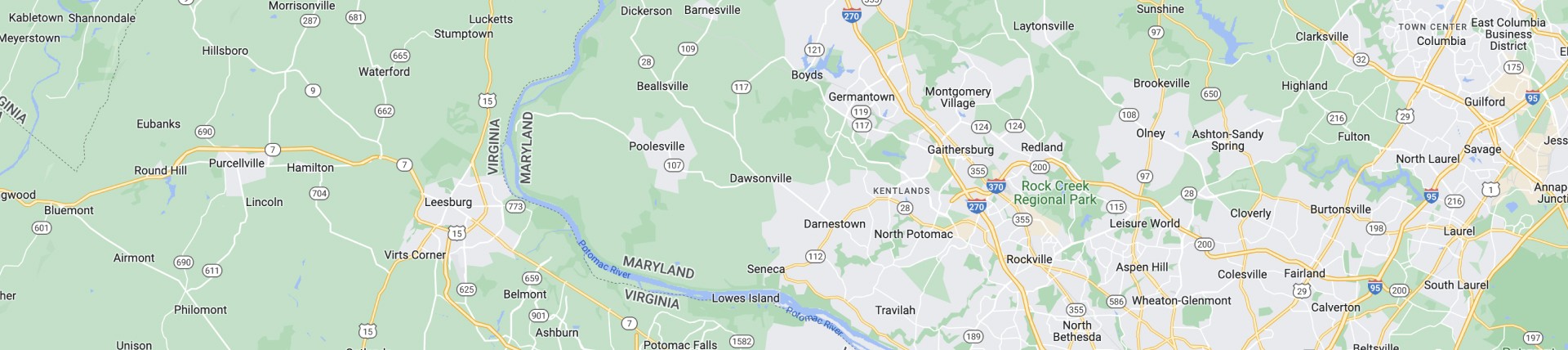
Proudly Serving
Proudly Serving
Maryland, DC &
Northern Virginia Maryland, DC
and
Northern Virginia Bethesda, Boyds, Chevy Chase, Clarksville, Damascus, Darnestown,
Derwood, Ellicott City, Gaithersburg, Germantown, Glenelg,
Kensington, Laytonsville, Montgomery Village, Mt. Airy, North Bethesda,
North Potomac, Olney, Potomac, Rockville, Silver Spring, Urbana,
Washington, DC Bethesda, Boyds, Chevy Chase, Clarksville, Damascus, Darnestown, Derwood, Ellicott City, Gaithersburg, Germantown, Glenelg, Kensington, Laytonsville, Montgomery Village, Mt. Airy, North Bethesda, North Potomac, Olney, Potomac, Rockville, Silver Spring, Urbana, Washington, DC View More >
Northern Virginia Maryland, DC
and
Northern Virginia Bethesda, Boyds, Chevy Chase, Clarksville, Damascus, Darnestown,
Derwood, Ellicott City, Gaithersburg, Germantown, Glenelg,
Kensington, Laytonsville, Montgomery Village, Mt. Airy, North Bethesda,
North Potomac, Olney, Potomac, Rockville, Silver Spring, Urbana,
Washington, DC Bethesda, Boyds, Chevy Chase, Clarksville, Damascus, Darnestown, Derwood, Ellicott City, Gaithersburg, Germantown, Glenelg, Kensington, Laytonsville, Montgomery Village, Mt. Airy, North Bethesda, North Potomac, Olney, Potomac, Rockville, Silver Spring, Urbana, Washington, DC View More >